
Yoga for Beginners in Dubai: How to Start and What Your First Class Is Like
The short answer: start with a slower, alignment-focused class such as Hatha or Iyengar yoga, tell the teacher you are new and about any injuries, wear breathable clothes you can move in, and aim for two classes a week for your first month. You do not need to be flexible to begin — flexibility is something yoga builds, not a requirement for walking in.
Dubai has no shortage of yoga studios, and that choice can make the first step harder than it should be. This guide walks you through the decisions that actually matter when you are new: which style to try first, what to expect in the room, and how to build a habit that lasts beyond the first week.
Is yoga suitable for complete beginners?
For most healthy adults, yes. The US National Center for Complementary and Integrative Health (NCCIH) describes yoga as generally safe for healthy people when it is practised properly under a qualified instructor, and notes that serious injuries are rare. It also advises talking to your doctor first if you have a health condition, and not using yoga as a substitute for getting a medical problem checked.
In practice, that means a beginner's job is simple: choose a class designed for your level, let the teacher know your history, and work within what feels steady rather than what the person on the next mat is doing.
Which yoga style should a beginner try first?
"Yoga" covers styles that feel completely different from one another. Some are slow and precise; others move quickly from pose to pose. As a beginner, you will learn faster in a class that gives you time to understand each posture.
- Hatha yoga – structured sessions that move from a gentle warm-up to guided postures, breathwork and relaxation, at a pace that lets you understand each pose. This is the most common starting point.
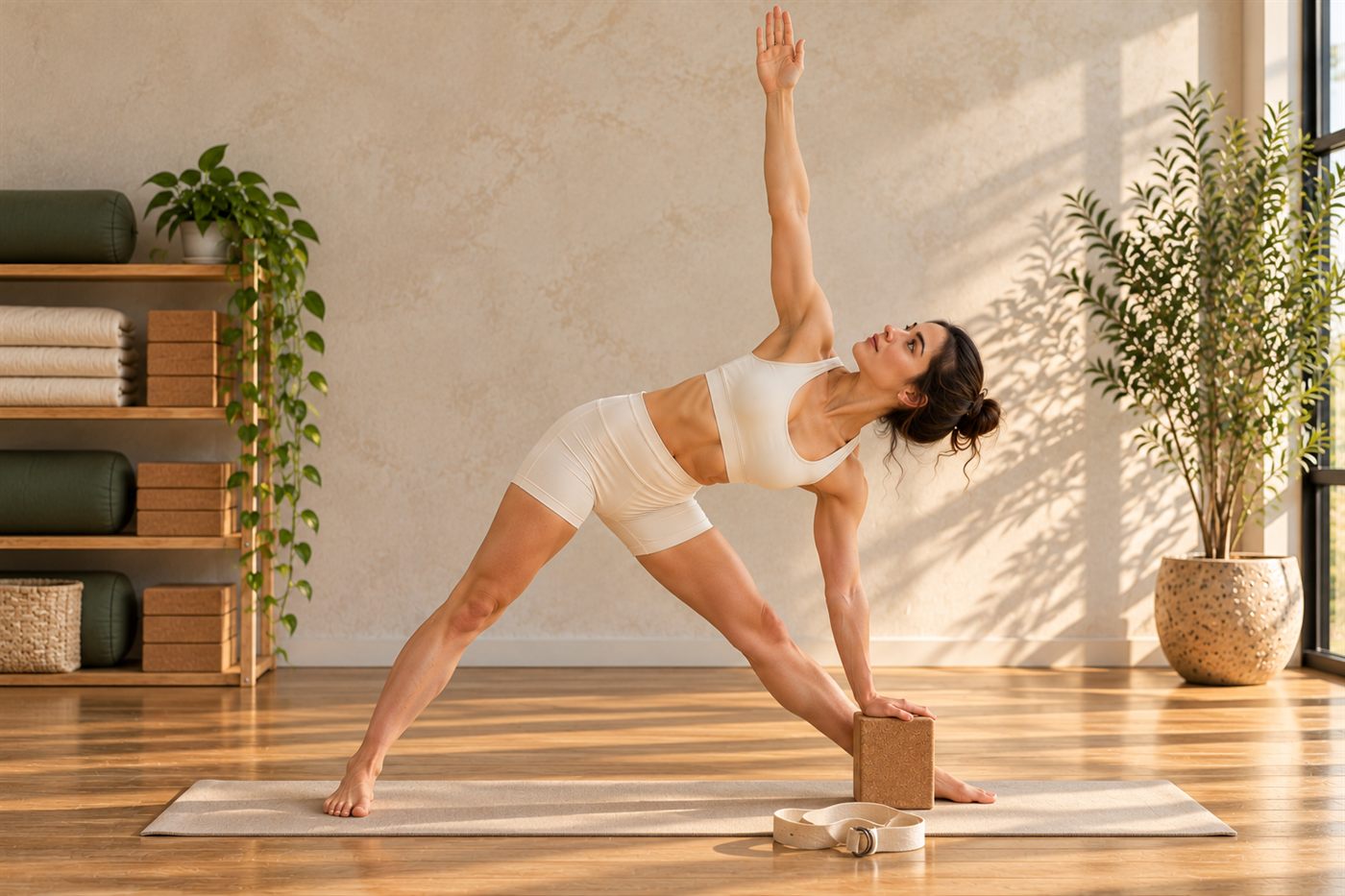
- Iyengar yoga – a form of Hatha yoga that emphasises precise alignment and uses props such as blocks and straps, so every pose can be adapted to your body. Helpful if you feel stiff or want detailed guidance.
- Yin yoga – long, supported holds and a slow pace. A good counterbalance to a busy week, though it builds less strength than Hatha.
- Kundalini yoga – breathwork, gentle movement, mantra and meditation. Physically accessible, and a good fit if stress relief is your main goal.
Faster styles such as Ashtanga and Vinyasa are rewarding, but they assume you already know the basic shapes. Many people move on to them after a few months of Hatha. You can read how each style works on our classes page.
Group class or private session?
A group class is the most affordable way to start and gives you the energy of practising with others. A private session makes sense if you are recovering from an injury, feel self-conscious, or want a programme built around specific goals. Some beginners book one or two private sessions first to learn the foundations, then join group classes with more confidence.
What to wear and bring to yoga in Dubai
- Breathable, close-fitting clothes. Loose tops slide over your face when you fold forward; leggings or fitted shorts and a soft top are easiest.
- Water. Dubai's climate means you may arrive already a little dehydrated, especially in summer.
- A mat, if needed. Ask the studio whether mats and props are provided before your first visit.
- Arrive ten minutes early. It gives you time to settle and to tell the teacher about injuries, pregnancy or anything else they should know.
One note on heat: the NCCIH points out that hot yoga carries particular risks of overheating and dehydration. If you are new, it is sensible to learn the basics in a regular, air-conditioned class first.
What actually happens in a first yoga class
Most beginner classes follow a familiar arc:
- Arriving and settling – a few minutes of quiet breathing to shift attention away from the day.
- Warm-up – gentle movements for the spine, hips and shoulders.
- Standing and seated postures – the teacher demonstrates, then guides you into each pose, often offering easier and harder versions.
- Breathwork – simple techniques that link movement and breath.
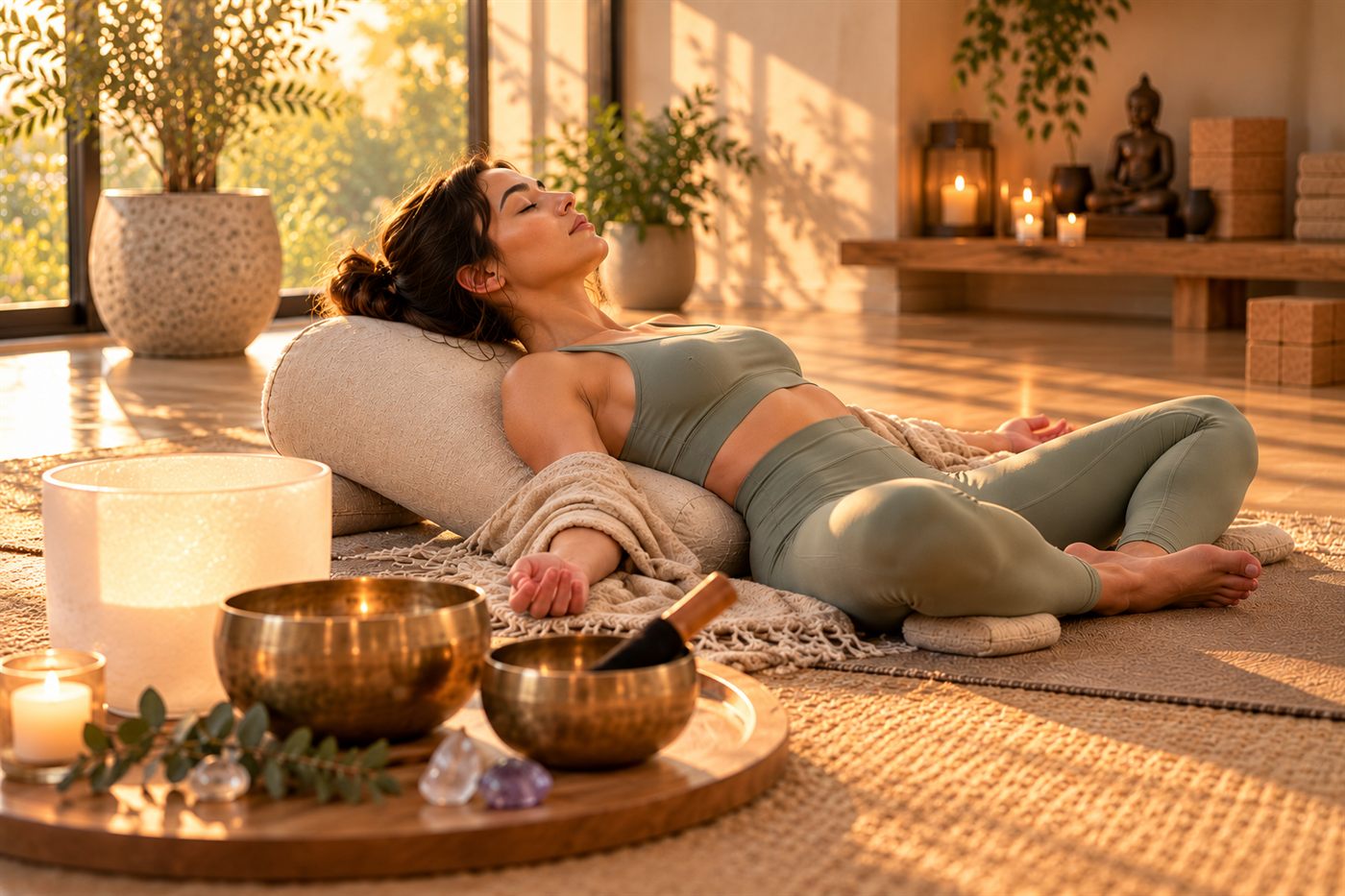
- Relaxation – a few minutes lying still at the end. Many people find this the part they remember.
Expect to be corrected. A good teacher adjusts your alignment with words or a light touch (they should ask before touching). That is not criticism; it is the main reason to learn in a studio rather than from a video.
Common beginner worries, answered
"I'm not flexible."
Almost nobody is at the start. Blocks and straps bring the floor closer, and the teacher will show you variations.
"I won't be able to keep up."
Beginner-friendly classes are paced for people who are learning. Rest whenever you need to — child's pose is always allowed.
"I'm worried about getting hurt."
The NCCIH lists sprains and strains, most often of the knee or lower leg, as the most common yoga injuries, and suggests beginners avoid extreme practices such as headstands, shoulder stands and forceful breathing. Tell your teacher about any old injuries and skip anything that causes sharp pain.
How often should a beginner practise?
The UK's NHS recommends that adults do strengthening activities on at least two days a week and lists yoga among them, alongside at least 150 minutes of moderate activity across the week. Two yoga classes a week is a realistic way to cover the strengthening part, with walking or another activity on other days.
| Week | Suggested focus |
|---|---|
| 1 | One Hatha or Iyengar class. Notice what felt easy and what felt unfamiliar. |
| 2 | Two classes. Start remembering the names of the core poses. |
| 3 | Two classes, one of them a different beginner-friendly style. |
| 4 | Two or three classes. Ask the teacher what to work on next. |
Consistency matters more than intensity. A class pack can help: committing to five or ten classes makes it easier to keep going through the weeks when motivation dips.
Starting yoga at Dhyana Dubai in Business Bay
At Dhyana, Hatha yoga is marked as beginner friendly, and Iyengar classes use props so every pose can be adapted. A single group yoga class is AED 95, and a 5-class pack is AED 460, valid for 30 days (prices include VAT). The studio is open Monday to Saturday, 7 am to 9 pm.
If you are unsure where to begin, send us a message with a little about yourself and we will suggest a first class. You can also see the full list of styles and prices on the classes page, or meet our teachers.
Frequently asked questions
Can I start yoga if I have never exercised?
Yes. Choose a beginner-friendly class, tell the teacher you are new, and rest whenever you need to. If you have a medical condition, check with your doctor first.
How long until I notice a difference?
Many people notice they move more easily within a few weeks of regular practice, but it varies from person to person. Practising twice a week makes progress easier to notice than once in a while.
Should I eat before a yoga class?
Most people feel better with a light snack an hour or two before class rather than a full meal, as forward folds and twists are uncomfortable on a full stomach.
Is hot yoga a good place to start?
It is usually better to learn the basic postures in a regular class first. Hot yoga adds risks of overheating and dehydration.
References
- National Center for Complementary and Integrative Health (NCCIH), Yoga: Effectiveness and Safety.
- NHS, Physical activity guidelines for adults aged 19 to 64.
This article is general information, not medical advice. If you have a health condition, are pregnant or are recovering from an injury, speak to a healthcare professional before starting a new exercise programme.